Space Harrier
From Sega Retro
| ||||||||||||||||||||||||||||||||||||||||||||||||||||||||||||||||||||||||||||||||||||||||||||||||||||||||||||||||||||||||||||||||||||||||||||||||||||||||||||||||||||||||||||||||||||||||||||||||||||||||||||||||||||
| Space Harrier | ||||||||||||||||||||||||||||||||||||||||||||||||||||||||||||||||||||||||||||||||||||||||||||||||||||||||||||||||||||||||||||||||||||||||||||||||||||||||||||||||||||||||||||||||||||||||||||||||||||||||||||||||||||
|---|---|---|---|---|---|---|---|---|---|---|---|---|---|---|---|---|---|---|---|---|---|---|---|---|---|---|---|---|---|---|---|---|---|---|---|---|---|---|---|---|---|---|---|---|---|---|---|---|---|---|---|---|---|---|---|---|---|---|---|---|---|---|---|---|---|---|---|---|---|---|---|---|---|---|---|---|---|---|---|---|---|---|---|---|---|---|---|---|---|---|---|---|---|---|---|---|---|---|---|---|---|---|---|---|---|---|---|---|---|---|---|---|---|---|---|---|---|---|---|---|---|---|---|---|---|---|---|---|---|---|---|---|---|---|---|---|---|---|---|---|---|---|---|---|---|---|---|---|---|---|---|---|---|---|---|---|---|---|---|---|---|---|---|---|---|---|---|---|---|---|---|---|---|---|---|---|---|---|---|---|---|---|---|---|---|---|---|---|---|---|---|---|---|---|---|---|---|---|---|---|---|---|---|---|---|---|---|---|---|---|---|---|
| System(s): Sega Hang-On hardware, Sega 32X, Sega Master System, Sega Game Gear, Famicom, PC Engine, TurboGrafx-16, Virtual Console, Android, Sega Mega Drive | ||||||||||||||||||||||||||||||||||||||||||||||||||||||||||||||||||||||||||||||||||||||||||||||||||||||||||||||||||||||||||||||||||||||||||||||||||||||||||||||||||||||||||||||||||||||||||||||||||||||||||||||||||||
Publisher:        | ||||||||||||||||||||||||||||||||||||||||||||||||||||||||||||||||||||||||||||||||||||||||||||||||||||||||||||||||||||||||||||||||||||||||||||||||||||||||||||||||||||||||||||||||||||||||||||||||||||||||||||||||||||
Developer:   | ||||||||||||||||||||||||||||||||||||||||||||||||||||||||||||||||||||||||||||||||||||||||||||||||||||||||||||||||||||||||||||||||||||||||||||||||||||||||||||||||||||||||||||||||||||||||||||||||||||||||||||||||||||
| Supporting companies: | ||||||||||||||||||||||||||||||||||||||||||||||||||||||||||||||||||||||||||||||||||||||||||||||||||||||||||||||||||||||||||||||||||||||||||||||||||||||||||||||||||||||||||||||||||||||||||||||||||||||||||||||||||||
| Licensor: | ||||||||||||||||||||||||||||||||||||||||||||||||||||||||||||||||||||||||||||||||||||||||||||||||||||||||||||||||||||||||||||||||||||||||||||||||||||||||||||||||||||||||||||||||||||||||||||||||||||||||||||||||||||
Distribution portal:  | ||||||||||||||||||||||||||||||||||||||||||||||||||||||||||||||||||||||||||||||||||||||||||||||||||||||||||||||||||||||||||||||||||||||||||||||||||||||||||||||||||||||||||||||||||||||||||||||||||||||||||||||||||||
| Sound driver: | ||||||||||||||||||||||||||||||||||||||||||||||||||||||||||||||||||||||||||||||||||||||||||||||||||||||||||||||||||||||||||||||||||||||||||||||||||||||||||||||||||||||||||||||||||||||||||||||||||||||||||||||||||||
| Peripherals supported: | ||||||||||||||||||||||||||||||||||||||||||||||||||||||||||||||||||||||||||||||||||||||||||||||||||||||||||||||||||||||||||||||||||||||||||||||||||||||||||||||||||||||||||||||||||||||||||||||||||||||||||||||||||||
| Genre: Shooting[5][6][7][8][9][10] | ||||||||||||||||||||||||||||||||||||||||||||||||||||||||||||||||||||||||||||||||||||||||||||||||||||||||||||||||||||||||||||||||||||||||||||||||||||||||||||||||||||||||||||||||||||||||||||||||||||||||||||||||||||
| Number of players: 1 | ||||||||||||||||||||||||||||||||||||||||||||||||||||||||||||||||||||||||||||||||||||||||||||||||||||||||||||||||||||||||||||||||||||||||||||||||||||||||||||||||||||||||||||||||||||||||||||||||||||||||||||||||||||
|


- For the Western home computer versions, see Space Harrier (Elite Systems). For the Japanese home computer versions, see Space Harrier (Dempa).
Space Harrier (スペースハリアー) is an arcade third-person rail shooter game developed by Yu Suzuki and Studio 128, and manufactured by Sega. First released to Japanese arcades in December 1985[12][13], it remains as one of the company's most successful and influential games, and helped to solidify Sega's presence as one of the heavy hitters of the arcade scene. Today, Space Harrier is regarded as a seminal and classic Sega arcade experience, and its resounding legacy has seen the game ported to a large number of both contemporary and modern game systems.
Contents
Story
Space Harrier Saga Prologue
Once upon a time there existed a beautiful utopia located far, far beyond the most distant galaxy of the universe, called "Dragon Land".
It was a peaceful world brimming over with life and light. Then suddenly in the space year 6226, a dastardly scheme carefully orchestrated by the evil one was unleashed on this land which had once been a "Garden of Eden". Supernatural phenomena became rampant throughout the devastated planet and barbaric and evil creatures could literally be seen roaming everywhere. Although everything imaginable appeared to have been destroyed on Dragon Land, the only living thing that continued to resist the forces of evil was "Uriah", a friendly dragon. He was nearly at his wits' end in his unrelenting search for a savior, when lo and behold, a fighter from Earth with superhuman ability and physic powers heard his plea for help and arrived on the scene to help save the day.
Now, with the whole universe as your audience, a legendary battle that is surely destined to be passed down to future generations, is about to unfold.
Welcome to Fantasy Zone
Storyline taken from western (EU and US) version of Master System port which is shown after 4 attract demos at title screen.
Gameplay
Space Harrier is an early example of what has now been termed the "on-rails" shooter - one in which the game is played from a "third-person" perspective firing "into" the screen. This was not the first game of its kind - Sega themselves had experimented with the idea in Buck Rogers: Planet of Zoom in 1982, however Space Harrier is thought to have been the first significant release in this new sub-genre, and in turn went on to inspire many games, Sega or otherwise, made since.
In Space Harrier the player controls "the Harrier", a blond-haired man with a jetpack who travels across eighteen stages in the "Fantasy Zone" shooting at enemies and objects while avoiding enemy fire and other hazards. Unless hit, the Harrier constantly travels into the screen - the player can move horizontally and vertically, but has no control over the speed travelling forwards, which is instead dictated by the game.
Despite its name, Space Harrier is not set in space - the Harrier is always able to traverse a stage on land, as well as utilising his jetpack to hover above it. The differences are purely aesthetical - the rate at which the player moves through a stage is constant, only occasionally slowing down during two threat-less bonus stages, 5 and 12, which sees the player rides a friendly dragon known as "Uriah" with the objective of destroying as much scenery as possible.
The objective of the game is simply to survive. Each non-bonus stage has its own boss, and the final stage sees the Harrier fight all of these bosses for a second time. Once this is done, the game loops, and will continue until the player runs out of lives and credits.
In its original arcade form, Space Harrier relies solely on an joystick and fire button. The joystick is analogue - one of the first seen in an arcade game, with the ability to register movement in any direction as well as measure the magnitude of the force. It was also designed to self-center if not in use, though many home conversions lack this. Furthermore the game is notable for its use of digitized speech and its sit-down arcade cabinets, whose motion is affected by the movement of the joystick. Both features were rare things to see in 1985, as was much of the Super Scaler technology used within the game itself.
Stages

|
Moot |
|---|---|
|
|
Geeza |
|
|
Amar |
|
|
Ceiciel |
|
|
Bonus Stage (1) |
|
|
Olisis |
|
|
Lucasia |
|
|
Ida |
| Named after a Sega developer, either with the surname Iida (飯田) or Ida (井田).[50] | |
|
|
Revi |
|
|
Minia |
|
|
Darms |
|
|
Bonus Stage (2) |
|
|
Drail |
|
|
Asute |
|
|
Visel |
|
|
Natura |
|
|
Nark |
|
|
Absymbel |
History
Development
Space Harrier was conceived by Yu Suzuki relatively early in his career, at a time where the concept of shoot-'em-up games in 3D space were considered taboo. For much of the early 1980s, the technology simply did not exist to deliver satisfactory results for what Suzuki wanted - low screen resolutions of the era were thought to make enemies too small to hit, and as a result, Sega's earlier rail shooters SubRoc-3D and Buck Rogers: Planet of Zoom saw limited success in arcades, while "tube shooters" such as Atari's Tempest and Konami's Gyruss heavily restricted movement and aiming.
Initial plans were to use military planes (or more specifically, the Harrier jump jet), but a lack of memory space for the graphics caused a shift towards science fiction. The decision to use an analog joystick over a digital joystick was because Suzuki felt it was better suited for a flying game and it gave the player greater control over pointing and shooting[51]. According to Suzuki, in order to counteract the above problem with aiming at small targets, the team created a "homing missile system like a real fighter aircraft and made it into an easy to hit shooting system".
Suzuki wanted to keep the game's appearance family-friendly. The game's fantasy world is largely a homage to the artist Roger Dean and the 1984 fantasy film The NeverEnding Story. The game also references the Gundam anime series with its robotic "Dom" enemies.
Due to its limited production time, the game's six bosses were created within three months, a distinctive boss every two weeks. Each boss was made up of at least eight or more sprites, which move in sequence. The game makes use of repeated sprites moving at high speed, as a way around technical memory limitations[52].
The game introduced a true analog flight stick for movement[53], with the ability to register movement in any direction as well as measure the degree of push, which could move the player character at different speeds depending on how far the stick is pushed in a certain direction.[54] It also featured a basic homing missile gameplay mechanic, and a full-motion cockpit cabinet[55]; its cockpit-shaped arcade cabinet moved in the direction the player moved the joystick.
Legacy
Space Harrier became one of 1986's major chart hits in the arcades[56]. Its success established Suzuki as the leading arcade game designer at the time[53]. Space Harrier's arcade success led it to become one of the most ported Sega games in history. Sega themselves would handle Sega Master System and Sega Game Gear ports in 1986 and 1991, respectively, the Master System game in particular being a top seller for the console and one of the more accurate, readily available versions of its day.
NEC brought Space Harrier to the PC Engine/TurboGrafx-16 with Takara also bringing it to the Famicom in 1989. Squaresoft's NES game The 3D Battles of WorldRunner is often considered to have been heavily inspired by Space Harrier also.
With the release of Space Harrier for the Sega 32X (originally known as Super Space Harrier during development) in 1994, the full arcade experience was finally available in the home. This was followed by the Sega Saturn release of Sega Ages Vol. 2 Space Harrier in 1996, and as part of multiple compilations since, including the Game Boy Advance's Sega Arcade Gallery, the PlayStation 2's Sega Ages 2500 Series Vol. 20: Space Harrier Complete Collection and the PlayStation 3/Xbox 360's Sega Mega Drive Ultimate Collection. A remake and port was also released in Japan under the Sega Ages 2500 as Sega Ages 2500 Series Vol. 4: Space Harrier, which came to the west as part of Sega Classics Collection.
The game was included as a minigame in both Shenmue and Shenmue II, and more recently the Master System version of the game was made available via the Wii's Virtual Console service in 2008, followed by a Virtual Console Arcade release a year later. It has also appeared on the Nintendo 3DS as 3D Space Harrier. It was then released as a downloadable title for the iiRcade arcade machine alongside Alien Storm, Bonanza Bros., Congo Bongo, Crack Down, Cyber Police ESWAT, and Shadow Dancer.
The game's basic homing missile mechanic was the basis for, and was superseded by, the lock-on system of Yu Suzuki's 1987 title After Burner, which was then adopted by later rail shooters such as Sega's Panzer Dragoon and Rez[57].
Space Harrier (and its sequels, beginning with 1988's Space Harrier 3D) are set in the "Fantasy Zone", the same setting as the arcade game with the same name. This relationship was explored further with the X68000 port of Fantasy Zone, which includes a Space Harrier level, and the cancelled TurboGrafx-16 title Space Fantasy Zone, which was a hybrid between the two games.
Versions
Master System version
Space Harrier was brought to the Sega Master System relatively early on in the console's lifespan and, as was customary for virtually all home ports of the game (and others from this era, such as OutRun and After Burner), the game uses pre-drawn graphic sets as opposed to scaling the sprites in real time. This leads to a "choppy" scaling effect as enemies and objects move into and out of the screen, as only a handful of sizes can be rendered.
Unlike the Master System version of OutRun, Space Harrier "cheats" in order to accommodate as many objects on screen while retaining the checkerboard floor (and ceiling). From a technical perspective, the enemies are not rendered as sprites, but as background tiles, and therefore cannot be layered on top of each other. The lack of transparency around the edges of objects causes the levels to look "blocky" - something particularly noticeable with bosses which in the arcade game, are often constructed of multiple sprites layered on top of each other.
32X version
On the 32X, Space Harrier is close to being arcade perfect, but suffers from frame rate drops when too many sprites are on-screen.
Mega Drive version
A Sega Mega Drive version was created by M2 as a bonus game for the Mega Drive Mini 2, alongside an updated version of Space Harrier II. Space Harrier is not a separate game in the main menu, but is selectable when starting Space Harrier II as the menu was getting too large[58].
The Mega Drive version replicates the arcade game as closely as possible, but runs at only half the framerate and suffers from sprite flickering when too many sprites are on-screen. The Master System version's final boss, Haya-Oh, is also included in this version, as was the case with 3D Space Harrier and Sega Ages Space Harrier.
Localised names
| Language | Localised Name | English Translation |
|---|---|---|
| English | Space Harrier | Space Harrier |
| English (US) | Space Harrier | Space Harrier |
| Japanese | スペースハリアー | Space Harrier |
| Portuguese (Brazil) | Space Harrier | |
| Korean | 스페이스 해리어 | Space Harrier |
Production credits
- Main article: Space Harrier/Production credits.
Hints
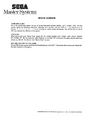
Master System US hints

Digital manuals
Mega Drive Mini 2 JP manual
Magazine articles
- Main article: Space Harrier/Magazine articles.
Promotional material

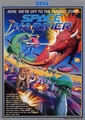
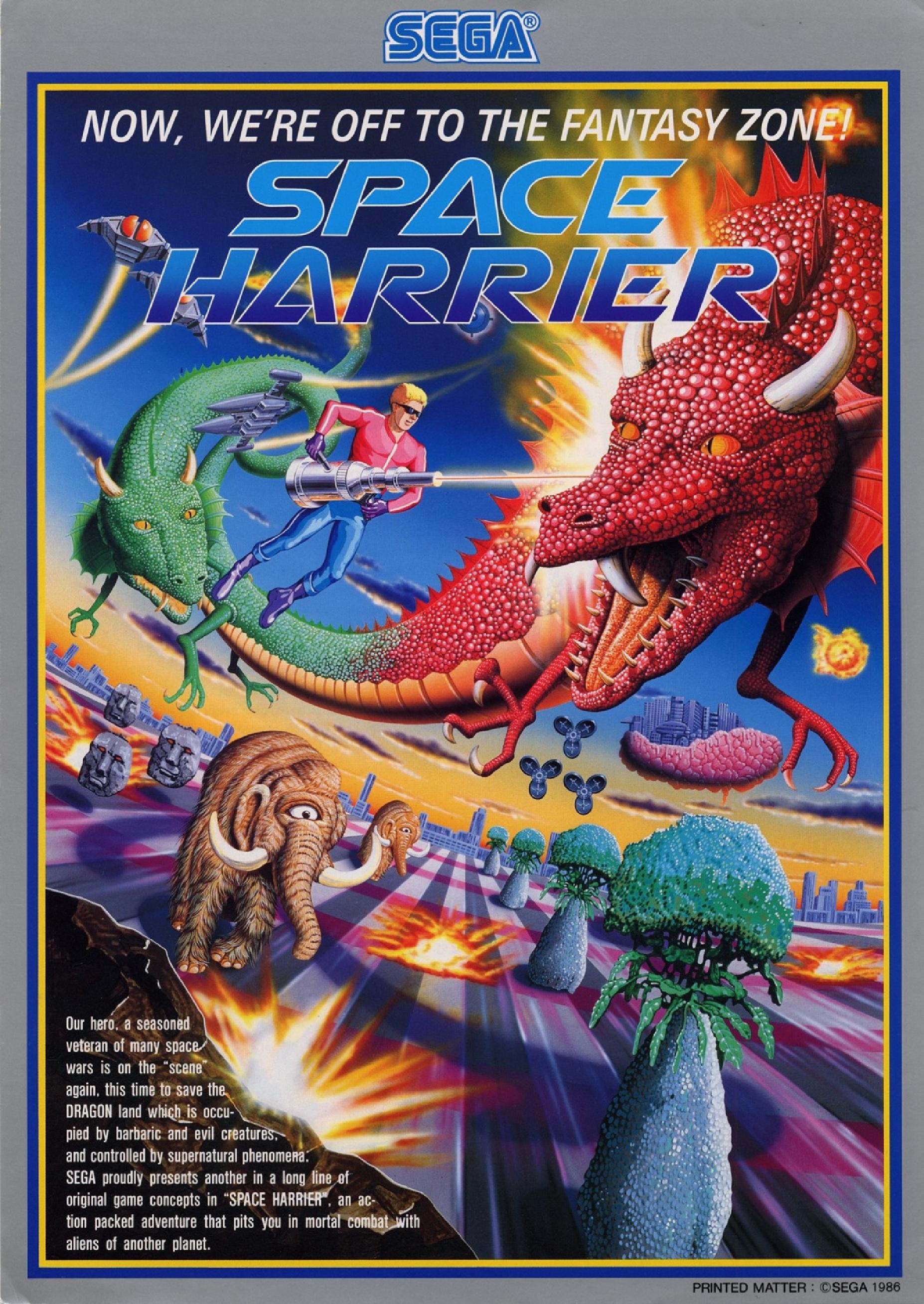





also published in:
- Computer & Video Games (UK) #77: "March 1988" (1988-02-15)[59]
also published in:
- Popular Computing Weekly (UK) #7.10: "Vol. 7 No. 10" (1988-03-10)[60]
Artwork

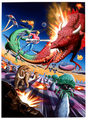
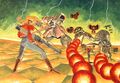
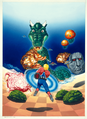
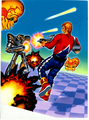

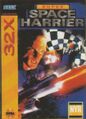
32X US prototype cover


Photo gallery
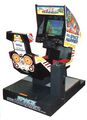
Rolling cabinet

Sit-down cabinet
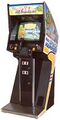
Upright cabinet


Physical scans
Arcade version
| Arcade, World | ||||
|---|---|---|---|---|

|
||||
Master System version
| Sega Retro Average | ||||||||||||||||||||||||||||||||||||||||||||||||||||||||||||||||||||||||||||||||||||
|---|---|---|---|---|---|---|---|---|---|---|---|---|---|---|---|---|---|---|---|---|---|---|---|---|---|---|---|---|---|---|---|---|---|---|---|---|---|---|---|---|---|---|---|---|---|---|---|---|---|---|---|---|---|---|---|---|---|---|---|---|---|---|---|---|---|---|---|---|---|---|---|---|---|---|---|---|---|---|---|---|---|---|---|---|
|
|
80 |
|---|---|
| Based on 16 reviews | |
| Master System, JP |
|---|
   Cover
|
 Cart  Manual |
| Master System, US (℠ variant) |
|---|
 Cover
|
| Master System, US (® variant) |
|---|
 Cover
|
 Cart  Manual |
| Master System, EU |
|---|
 Cover
|
| Master System, EU (Sega®) |
|---|
 Cover
|
| Master System, EU ("No Limits") |
|---|
 Cover
|
 Cart |
| Master System, EU "English" variant |
|---|
 Cover
|
Cart  Manual |
| Master System, DE |
|---|
 Cover
|
| Master System, PT |
|---|
 Cover
|
| Master System, AU |
|---|
 Cover
|
 Cart |
| Master System, AU (Classics) |
|---|
 Cover
|
| Master System, TW |
|---|
 Cover
|
 Cart |
| Master System, KR |
|---|
|
 Cart |
32X version
| Sega Retro Average | |||||||||||||||||||||||||||||||||||||||||||||||||||||||||||||||||||||||||||||||||||||||||||||||||||||||||||||||||||||||||||||||||||||||||||
|---|---|---|---|---|---|---|---|---|---|---|---|---|---|---|---|---|---|---|---|---|---|---|---|---|---|---|---|---|---|---|---|---|---|---|---|---|---|---|---|---|---|---|---|---|---|---|---|---|---|---|---|---|---|---|---|---|---|---|---|---|---|---|---|---|---|---|---|---|---|---|---|---|---|---|---|---|---|---|---|---|---|---|---|---|---|---|---|---|---|---|---|---|---|---|---|---|---|---|---|---|---|---|---|---|---|---|---|---|---|---|---|---|---|---|---|---|---|---|---|---|---|---|---|---|---|---|---|---|---|---|---|---|---|---|---|---|---|---|---|
|
|
66 |
|---|---|
| Based on 27 reviews | |
| 32X, JP |
|---|
   Cover
|
  Cart  Manual |
| 32X, US |
|---|
  Cover
|
 Cart  Manual |
| 32X, EU |
|---|
   Cover
|
 Cart  Manual |
| 32X, FR (Blister pack) |
|---|
  Cover
|
| 32X, PT |
|---|
  Cover
|
| 32X, AU |
|---|
 Cover
|
| 32X, Asia |
|---|
   Cover
|
 Cart  Manual |
Game Gear version
| Sega Retro Average | ||||||||||||||||||||||||||||||||||||||||||||||||||||||||||||||||||||||||||||||||||||||||||||||||||||||||||||||||||||||||||||
|---|---|---|---|---|---|---|---|---|---|---|---|---|---|---|---|---|---|---|---|---|---|---|---|---|---|---|---|---|---|---|---|---|---|---|---|---|---|---|---|---|---|---|---|---|---|---|---|---|---|---|---|---|---|---|---|---|---|---|---|---|---|---|---|---|---|---|---|---|---|---|---|---|---|---|---|---|---|---|---|---|---|---|---|---|---|---|---|---|---|---|---|---|---|---|---|---|---|---|---|---|---|---|---|---|---|---|---|---|---|---|---|---|---|---|---|---|---|---|---|---|---|---|---|---|
|
|
72 |
|---|---|
| Based on 24 reviews | |
| Game Gear, JP |
|---|
   Cover
|
 Cart |
| Game Gear, US |
|---|
  Cover
|
 Cart  Manual |
| Game Gear, EU |
|---|
   Cover
|
Cart  Manual |
| Game Gear, BR |
|---|
 Cover
|
 Cart  Manual |
| Game Gear, KR |
|---|
  Cover
|
 Cart |
Famicom version
| NES, JP |
|---|
  Cover
|
 Cart  Manual |
PC Engine version
| Sega Retro Average | |||||||||||||||||||||||||||||||||||||||
|---|---|---|---|---|---|---|---|---|---|---|---|---|---|---|---|---|---|---|---|---|---|---|---|---|---|---|---|---|---|---|---|---|---|---|---|---|---|---|---|
|
|
78 |
|---|---|
| Based on 7 reviews | |
| TurboGrafx-16, US |
|---|
  Cover
|
 Cart  Jewel Case |
| PC Engine, JP |
|---|
   Cover
|
  Card |
Technical information
- Main article: Space Harrier/Technical information.
ROM dump status
| System | Hash | Size | Build Date | Source | Comments | |||||||||
|---|---|---|---|---|---|---|---|---|---|---|---|---|---|---|
|
|
2MB | Cartridge (EU) | |||||||||||
|
|
2MB | Cartridge (JP/US) | |||||||||||
|
|
2MB | 1994-09-20 | CD-R disc | Page | |||||||||
|
|
256kB | Cartridge (EU) | |||||||||||
|
|
256kB | Cartridge (JP/US) | |||||||||||
|
|
128kB | Cartridge | |||||||||||
 |
|
128kB | Cartridge (JP) | |||||||||||
|
|
512kB | Card (JP) | |||||||||||
|
|
512kB | Card (US) |
Specifications
Dimensions
| Rolling | Upright | Sit-Down |
|---|---|---|
|
|
|
|
| Mass: 280 kg (616 lbs) | Mass: 110 kg (242 lbs) | Mass: 120 kg (264 lbs) |
External links
- Sega of Japan Virtual Console pages: Master System, Arcade
- Nintendo catalogue pages: Virtual Console: US, UK, AU; Virtual Console Arcade: US
References
 NEC Retro has more information related to Space Harrier
|
- ↑ http://gdri.smspower.org/wiki/index.php/S-Plan
- ↑ https://www.mtwo.co.jp/development/retrogame-2/#tab-2 (Wayback Machine: 2020-10-29 22:32)
- ↑ https://www.mtwo.co.jp/development/retrogame-2/#tab-3 (Wayback Machine: 2020-10-29 22:32)
- ↑ https://www.tsmusic.co.jp/%E3%82%B9%E3%83%9A%E3%83%BC%E3%82%B9%E3%83%8F%E3%83%AA%E3%82%A2%E3%83%BC/ (Wayback Machine: 2023-09-09 20:39)
- ↑ File:SpaceHarrier 32X JP Box Front.jpg
- ↑ 6.0 6.1 http://sega.jp/fb/segahard/32x/soft.html (Wayback Machine: 2013-06-19 13:31)
- ↑ File:SpaceHarrier GG EU Box Back.jpg
- ↑ File:SpaceHarrier GG JP Box Front.jpg
- ↑ 9.0 9.1 https://sega.jp/history/hard/gamegear/software.html (Wayback Machine: 2018-12-07 04:57)
- ↑ 10.0 10.1 https://sega.jp/history/hard/mastersystem/software.html (Wayback Machine: 2019-12-31 02:27)
- ↑ https://cocatalog.loc.gov
- ↑ 12.0 12.1 12.2 http://vc.sega.jp/vca_harrier/ (Wayback Machine: 2009-03-31 06:43)
- ↑ 13.0 13.1 https://sega-interactive.co.jp/special/history/title/spaceharrier.html
- ↑ File:PlayMeter US Volume 12 No. 02.pdf, page 32
- ↑ File:PlayMeter US Volume 12 No. 02.pdf, page 29
- ↑ Computer Entertainer, "April 1987" (US; 1987-04-xx), page 14
- ↑ Computer Entertainer, "April 1987" (US; 1987-04-xx), page 12
- ↑ 18.0 18.1 Computer & Video Games, "November 1987" (UK; 1987-10-15), page 132
- ↑ File:SMSGameCatalog1EU.pdf, page 3
- ↑ ACE, "January 1989" (UK; 1989-xx-xx), page 167
- ↑ Computer & Video Games, "April 1988" (UK; 1988-03-15), page 26
- ↑ The Mastertronic Catalogue (UK; 1988), page 2
- ↑ 23.0 23.1 Electronic Gaming Monthly, "March 1990" (US; 1990-xx-xx), page 16
- ↑ GamePro, "October 1991" (US; 1991-xx-xx), page 95
- ↑ 25.0 25.1 GamePro, "December 1991" (US; 1991-xx-xx), page 126
- ↑ Computer Trade Weekly, "" (UK; 1991-12-09), page 27
- ↑ Computer Trade Weekly, "" (UK; 1992-01-13), page 19
- ↑ 28.0 28.1 28.2 Sega Power, "July 1991" (UK; 1991-06-06), page 20
- ↑ Computer Trade Weekly, "" (UK; 1991-12-09), page 27
- ↑ Computer Trade Weekly, "" (UK; 1992-01-13), page 19
- ↑ Sega Pro, "December 1991" (UK; 1991-11-21), page 9
- ↑ 32.0 32.1 Sega Pro, "March 1992" (UK; 1992-02-20), page 59
- ↑ Supergame, "Abril 1992" (BR; 1992-04-xx), page 48
- ↑ Next Generation, "February 1995" (US; 1995-01-24), page 95
- ↑ Computer & Video Games, "December 1994" (UK; 1994-11-15), page 139
- ↑ 36.0 36.1 36.2 Mega, "December 1994" (UK; 1994-11-30), page 30
- ↑ 37.0 37.1 Sega Magazine, "January 1995" (UK; 1994-12-15), page 86
- ↑ Games World Magazin, "" (DE; 1995-02-17), page 13
- ↑ https://www.nintendo.co.jp/wii/vc/software/08.html (Wayback Machine: 2018-03-06 23:35)
- ↑ http://vc.sega.jp:80/vc_ms_spaceharrier/ (Wayback Machine: 2008-08-25 01:50)
- ↑ 41.0 41.1 http://www.nintendo.com/games/detail/OBIiQ7m3BfJ-Vb903zIxzQdVxpuLj_cx (Wayback Machine: 2010-11-22 22:51)
- ↑ 42.0 42.1 http://www.nintendolife.com/games/mastersystem/space_harrier (Wayback Machine: 2017-07-04 15:50)
- ↑ https://www.nintendo.co.uk/Games/Virtual-Console-Wii-/Space-Harrier--279184.html (archive.today)
- ↑ http://www.nintendo.com.au/index.php?action=catalogue&prodcat_id=42&prod_id=19905&pageID=4 (Wayback Machine: 2012-03-28 01:31)
- ↑ https://www.nintendo.co.jp/wii/vc/software/09.html (Wayback Machine: 2018-01-28 13:27)
- ↑ 46.0 46.1 http://www.nintendo.com/games/detail/9lEatG6gxBG-1FSgHgwzcrN8no2kNFdK (Wayback Machine: 2010-11-22 22:48)
- ↑ 47.0 47.1 http://www.nintendolife.com/games/vcarcade/space_harrier (Wayback Machine: 2017-07-04 12:33)
- ↑ https://www.nintendo.fr/Jeux/Console-virtuelle-Wii-/Space-Harrier--279173.html (archive.today)
- ↑ http://sega.jp/kt/ (Wayback Machine: 2011-08-17 02:57)
- ↑ @SiFi_TZK on Twitter
- ↑ Retro Gamer, "xxxx xxxx" (UK; 20xx-xx-xx), page 27
- ↑ Retro Gamer, "xxxx xxxx" (UK; 20xx-xx-xx), page 24
- ↑ 53.0 53.1 http://www.eurogamer.net/articles/2013-07-07-space-harrier-retrospective (Wayback Machine: 2013-07-09 03:51)
- ↑ http://retro.ign.com/articles/906/906935p2.html (Wayback Machine: 2012-04-28 22:10)
- ↑ Retro Gamer, "xxxx xxxx" (UK; 20xx-xx-xx), page 22
- ↑ Sinclair User, "February 1987" (UK; 1987-01-18), page 92
- ↑ Retro Gamer, "xxxx xxxx" (UK; 20xx-xx-xx), page 28
- ↑ https://www.4gamer.net/games/635/G063531/20220812124/ (Wayback Machine: 2022-08-19 15:06)
- ↑ Computer & Video Games, "March 1988" (UK; 1988-02-15), page 10
- ↑ Popular Computing Weekly, "Vol. 7 No. 10" (UK; 1988-03-10), page 48
- ↑ 61.0 61.1 Complete Guide to Consoles, "" (UK; 1989-10-16), page 71
- ↑ Complete Guide to Consoles, "Volume IV" (UK; 1990-11-xx), page 107
- ↑ The Complete Guide to Sega, "" (UK; 1991-05-xx), page 62
- ↑ Computer Action, "Juli/August 89" (DK; 1989-0x-xx), page 34
- ↑ Console XS, "June/July 1992" (UK; 1992-04-23), page 145
- ↑ The Games Machine, "Settembre 1988" (IT; 1988-09-15), page 62
- ↑ Micromanía (segunda época), "Mayo 1990" (ES; 1990-0x-xx), page 66
- ↑ Mean Machines Sega, "October 1992" (UK; 1992-09-xx), page 136
- ↑ Power Play, "Ausgabe 1" (DE; 1987-11-27), page 97
- ↑ S: The Sega Magazine, "April 1990" (UK; 1990-03-01), page 9
- ↑ 71.0 71.1 Score, "Duben 1995" (CZ; 1995-04-01), page 46
- ↑ Sega Power, "October 1991" (UK; 1991-09-05), page 59
- ↑ Sega Pro, "April 1992" (UK; 1992-03-19), page 29
- ↑ Sega Pro, "April 1993" (UK; 1993-03-11), page 72
- ↑ Soft, "" (DK; 1988-02-18), page 31
- ↑ Tilt, "Décembre 1987" (FR; 1987-1x-xx), page 106
- ↑ GamesMaster, "January 1995" (UK; 1994-12-22), page 62
- ↑ Beep! MegaDrive, "January 1995" (JP; 1994-12-08), page 26
- ↑ CD Consoles, "Mars 1995" (FR; 1995-xx-xx), page 118
- ↑ Consoles +, "Mars 1995" (FR; 1995-0x-xx), page 104
- ↑ Famitsu, "1994-12-09" (JP; 1994-11-25), page 39
- ↑ GamePro, "April 1995" (US; 1995-xx-xx), page 60
- ↑ Games World: The Magazine, "March 1995" (UK; 1995-01-26), page 13
- ↑ Joypad, "Mars 1995" (FR; 1995-0x-xx), page 79
- ↑ MAN!AC, "02/95" (DE; 1995-01-11), page 44
- ↑ Mega Fun, "02/95" (DE; 1995-01-18), page 105
- ↑ Mega Play, "February/March 1995" (US; 1995-0x-xx), page 49
- ↑ Mean Machines Sega, "March 1995" (UK; 1995-01-30), page 88
- ↑ Player One, "Mars 1995" (FR; 1995-0x-xx), page 104
- ↑ Play Time, "2/95" (DE; 1995-01-04), page 104
- ↑ Power Up!, "Saturday, April 22, 1995" (UK; 1995-04-22), page 1
- ↑ Saturn Fan, "1995 February" (JP; 1995-01-07), page 34
- ↑ Sega Power, "February 1995" (UK; 1994-12-15), page 58
- ↑ Sega Pro, "February 1995" (UK; 1994-12-29), page 67
- ↑ Sega Pro, "April 1996" (UK; 1996-02-28), page 27
- ↑ Sega Saturn Magazine, "September 1995" (JP; 1995-08-08), page 84
- ↑ Super Juegos, "Enero 1995" (ES; 199x-xx-xx), page 54
- ↑ Todo Sega, "Febrero 1995" (ES; 1995-0x-xx), page 35
- ↑ Ultimate Future Games, "February 1995" (UK; 1995-01-01), page 86
- ↑ Video Games, "2/95" (DE; 1995-01-18), page 91
- ↑ VideoGames, "March 1995" (US; 1995-02-xx), page 65
- ↑ Ação Games, "Fevereiro 1992" (BR; 1992-02-xx), page 42
- ↑ Beep! MegaDrive, "December 1991" (JP; 1991-11-08), page 40
- ↑ Console XS, "June/July 1992" (UK; 1992-04-23), page 149
- ↑ Computer & Video Games, "April 1992 (Go! Issue 6)" (UK; 1992-03-15), page 8
- ↑ Mean Machines: The Essential Sega Guide, "" (UK; 1993-11-18), page 170
- ↑ Famitsu, "1991-12-13" (JP; 1991-11-29), page 40
- ↑ Génération 4, "Janvier 1992" (FR; 199x-xx-xx), page 155
- ↑ Hippon Super, "January 1992" (JP; 1991-12-04), page 93
- ↑ Hobby Consolas, "Diciembre 1991" (ES; 1991-1x-xx), page 50
- ↑ Joystick, "Janvier 1992" (FR; 199x-xx-xx), page 144
- ↑ Mega Force, "Janvier 1992" (FR; 1992-01-15), page 44
- ↑ Micromanía (segunda época), "Marzo 1992" (ES; 1992-0x-xx), page 35
- ↑ Mean Machines Sega, "October 1992" (UK; 1992-09-xx), page 143
- ↑ Player One, "Février 1992" (FR; 1992-xx-xx), page 80
- ↑ Play Time, "4/92" (DE; 1992-03-04), page 84
- ↑ Sega Power, "May 1992" (UK; 1992-04-02), page 47
- ↑ Sega Pro, "April 1993" (UK; 1993-03-11), page 74
- ↑ Sega Force Mega, "January 1994" (UK; 1993-12-16), page 78
- ↑ Sega Force, "March 1992" (UK; 1992-02-20), page 54
- ↑ Sega Saturn Magazine, "September 1995" (JP; 1995-08-08), page 88
- ↑ User, "Noémvrios 1992" (GR; 1992-1x-xx), page 66
- ↑ Video Games, "6/92" (DE; 1992-05-29), page 123
- ↑ Aktueller Software Markt, "August/September 1989" (DE; 1989-07-28), page 49
- ↑ Computer Entertainer, "December 1989" (US; 1989-12-18), page 9
- ↑ Complete Guide to Consoles, "Volume IV" (UK; 1990-11-xx), page 53
- ↑ Computer & Video Games, "April 1989" (UK; 1989-03-16), page 108
- ↑ Joystick, "Mars 1990" (FR; 1990-02-20), page 45
- ↑ 129.0 129.1 129.2 File:SpaceHarrier_Arcade_EU_Flyer.pdf
| Space Harrier | |
|---|---|
|
Main page | Comparisons | Credits | Hidden content | Development | Magazine articles | Reception | Region coding
Music: Yu Suzuki Produce Hang On/Space Harrier (1997) | Space Harrier (2018) Videos: Space Harrier (1987) | |
| Space Harrier series |
|---|
| Space Harrier (JP home computers | Elite versions | Sega Ages Vol. 2 | mobile | 3D) (1986) | Space Harrier 3D (1988) | Space Harrier II (Electronic) (1988) | Planet Harriers (2001) | Typing Space Harrier (2002) | Sega Ages 2500 Series Vol. 4: Space Harrier (2003) |
| Albums |
| Yu Suzuki Produce Hang On/Space Harrier (1997) | Planet Harriers The Original Soundtrack (2001) | Space Harrier II: Space Harrier Complete Collection Original Soundtrack (2005) |
| Other Media |
| Space Harrier (video) (1987) | Space Harrier: White Dragon no Yuusha (1988) |
- XE-1 AP-compatible games
- 1 player games
- All arcade games
- Dead external reference
- Hang-On hardware games
- 1985 Hang-On hardware games
- All 1985 games
- JP Master System games
- US Master System games
- EU Master System games
- DE Master System games
- PT Master System games
- UK Master System games
- AU Master System games
- KR Master System games
- TW Master System games
- Master System games
- 1986 Master System games
- All 1986 games
- Master System shoot-'em-up games
- PC Engine games
- NES games
- TurboGrafx-16 games
- JP Game Gear games
- US Game Gear games
- EU Game Gear games
- UK Game Gear games
- BR Game Gear games
- KR Game Gear games
- Game Gear games
- 1991 Game Gear games
- All 1991 games
- Game Gear shoot-'em-up games
- JP 32X games
- US 32X games
- EU 32X games
- DE 32X games
- PT 32X games
- UK 32X games
- AU 32X games
- AS 32X games
- 32X games
- 1994 32X games
- All 1994 games
- 32X shoot-'em-up games
- JP Wii Virtual Console games
- US Wii Virtual Console games
- EU Wii Virtual Console games
- AU Wii Virtual Console games
- Wii games
- 2008 Wii games
- All 2008 games
- Wii Virtual Console games
- PuyoSega games
- JP Android games
- Android games
- JP Mega Drive games
- US Mega Drive games
- EU Mega Drive games
- Mega Drive games
- 2022 Mega Drive games
- All 2022 games
- Mega Drive shoot-'em-up games
- Mega Drive aftermarket games
- All games
- Old-style rating (joypad)
- Rating without source
- Old-style rating (milwaukee)
- External rating reference
- Old-style rating (sfuk)
- Update ratings template
- 2 old ratings
- Old-style rating (gamesmaster)
- Old-style rating (nextgeneration)
- 1 old ratings
- Games with known prototypes
- Old technical information
- Space Harrier
- Space Harrier (franchise)
- Mega Drive Mini 2 games